
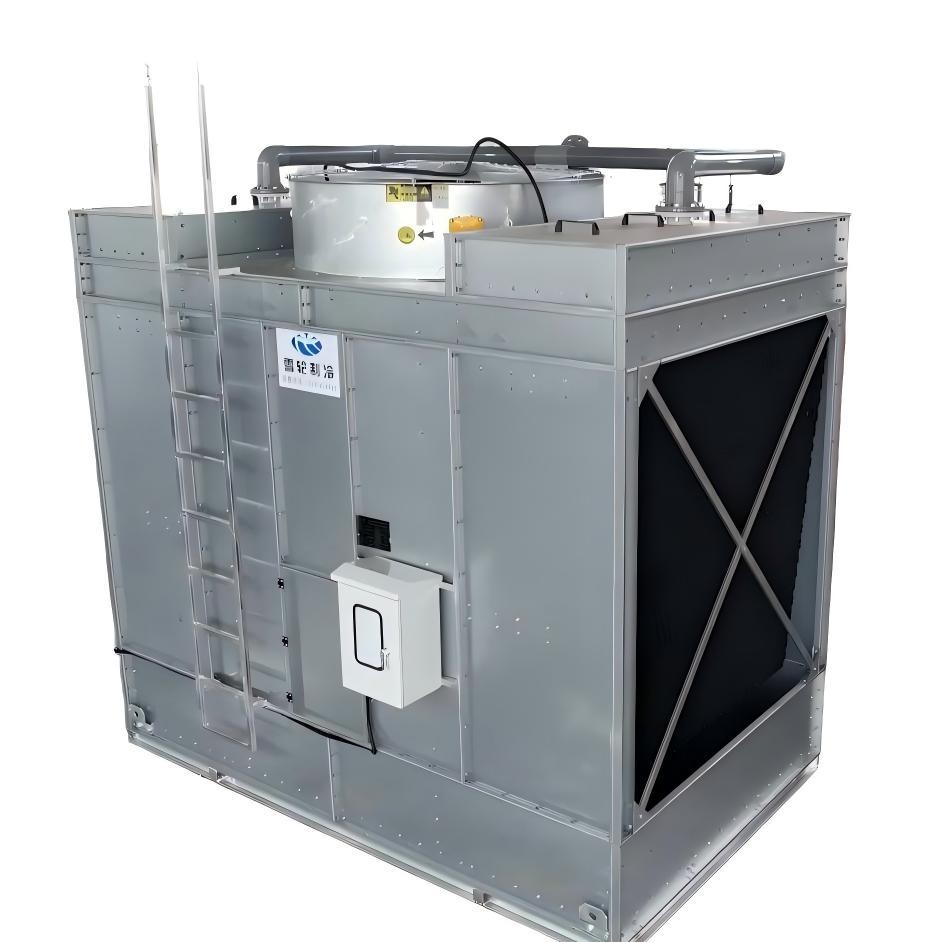
Closed Circuit Cooling Tower: Working Principle, Structure, Advantages & Industrial Applications
News & Blog
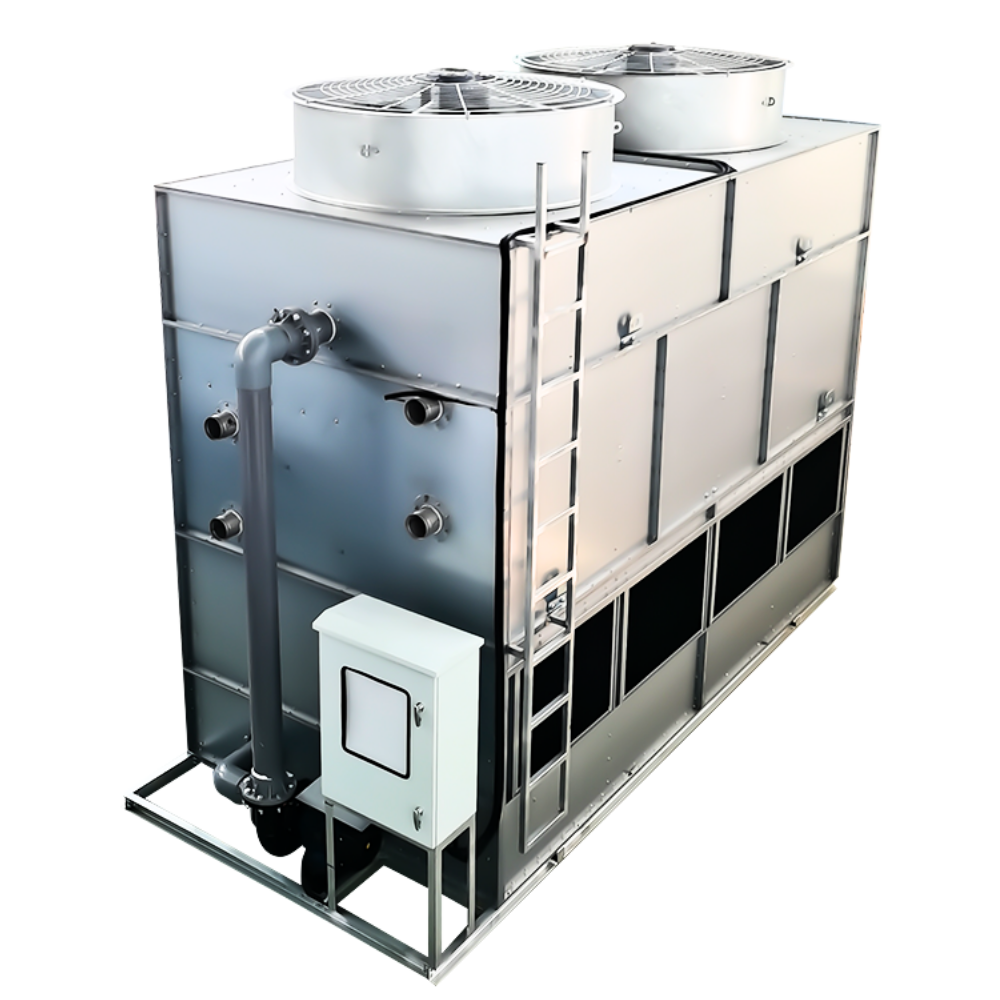
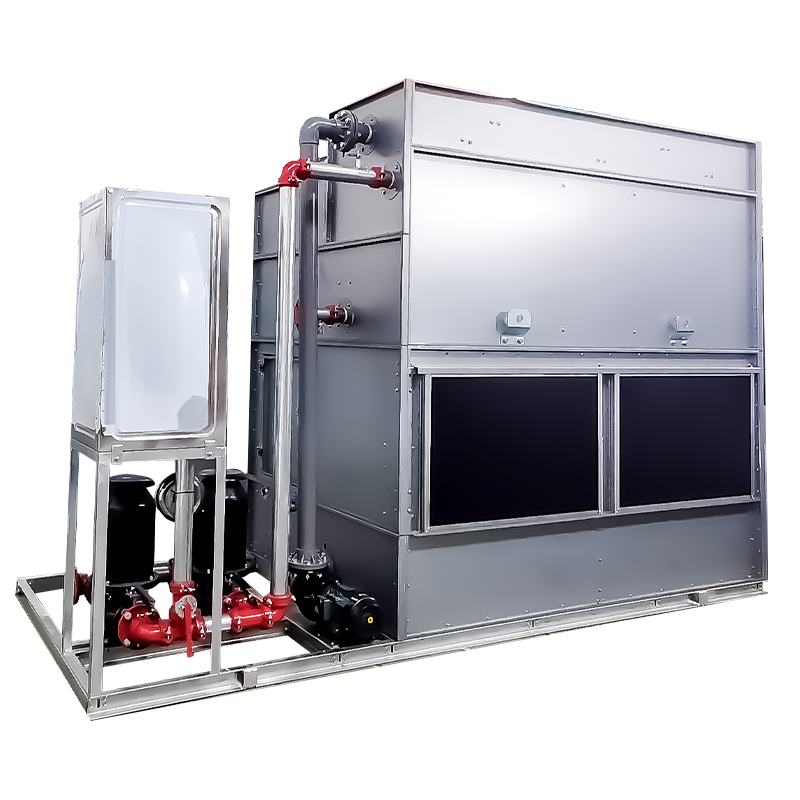
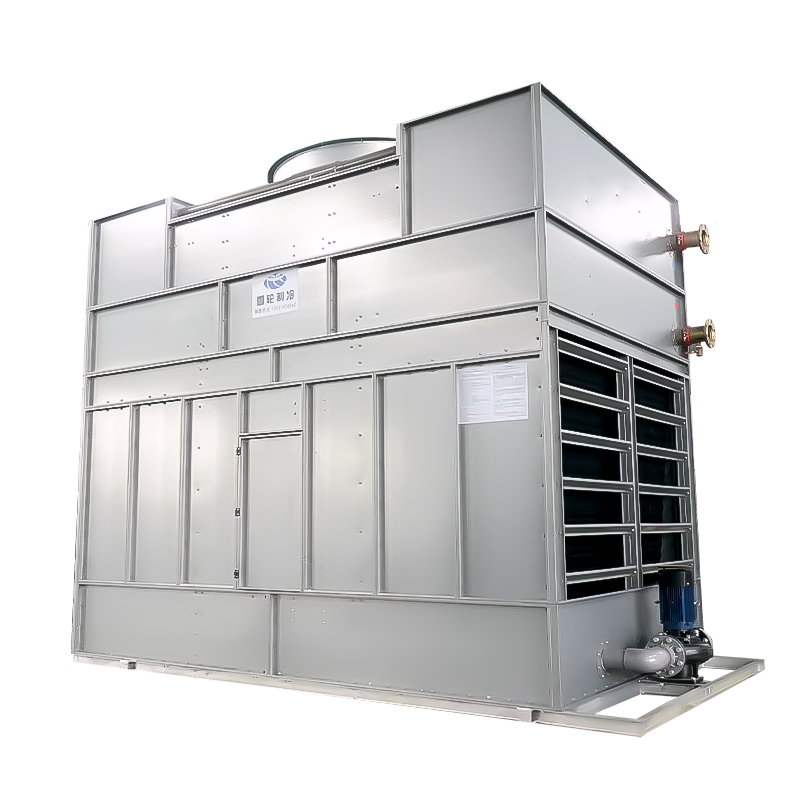
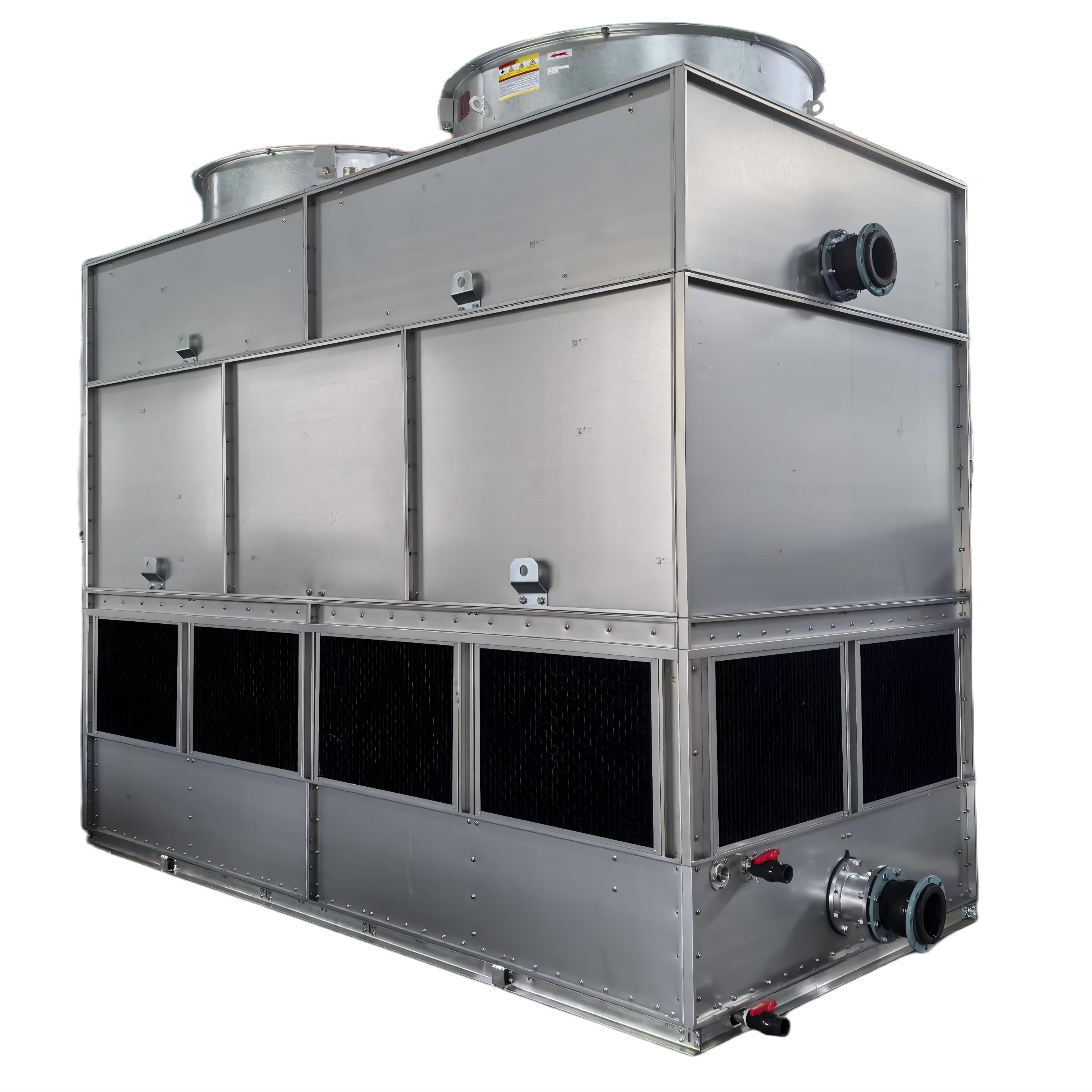
A closed-circuit cooling tower (also referred to as a evaporative fluid cooler) is an indispensable piece of equipment in industrial and commercial cooling systems. It integrates the strengths of air-cooled and water-cooled methods, enabling efficient and stable heat exchange within a closed loop, while offering outstanding advantages such as water conservation, fouling prevention, and energy efficiency. This article provides a systematic overview of closed-circuit cooling towers from five perspectives: operating principle, structural composition, performance benefits, typical applications, and future trends.
I. Operating Principle
The closed-circuit cooling tower completes the cooling process through a closed-loop system, as detailed below:
The closed-circuit cooling tower comprises two independent circulation loops:
These two loops transfer heat through the walls of the heat exchange coils without intermixing, thereby realizing the core value of the "closed" design – the internal-loop fluid remains pure and scale‑free, while the external loop efficiently dissipates heat.
II. Core Structural Components
(A) Heat Dissipation Core System (responsible for removing process heat)
1. Heat exchange coils (typically made of 304 stainless steel or copper)Functional role: These coils are the "heart" of the closed-circuit cooling tower. High‑temperature process coolant (e.g., softened water, glycol solution) flows inside the closed coils, while spray water uniformly covers the outer coil surfaces. Heat is conducted from the inside out through the tube walls, leveraging the high thermal conductivity of metal for rapid heat exchange. 304 stainless steel ensures excellent corrosion resistance in persistently moist environments, while its smooth inner surface resists fouling, maintaining stable heat transfer efficiency year after year.
(B) Spray Evaporation System (removes heat conducted through the coil walls)
2. Spray pumpFunctional role: Provides the driving force for the spray water circulation. It pressurizes water from the basin and delivers it to the upper water distribution system. It is the "heart" of the spray circuit. Its head and flow rate directly determine whether the spray water can uniformly cover the coil surfaces.
3. Water distribution system and spray nozzles (including spray piping)Functional role: Distributes water from the spray pump evenly and in atomized form over the outer surfaces of the heat exchange coils via specially designed nozzles (e.g., spiral or centrifugal types). The primary objective is to maximize the contact area between water and coils and to form a continuous water film. The more uniform the film, the more thorough the heat exchange on the coil surfaces, and the more favourable the subsequent evaporative cooling.
4. Collection basin (bottom water tank)Functional role: Located at the base of the tower, it collects spray water that has flowed over the coils. It acts as a reservoir and buffer, ensuring that the spray pump has an adequate and stable water supply, preventing pump cavitation.
5. PVC fill (heat exchange fill – with special application in closed towers)Functional role: After the spray water has absorbed heat from the coils and descends, it passes through a honeycomb PVC fill. The fill breaks the falling water into thin films or fine droplets, significantly increasing the contact area between spray water and air. At this stage, the downward spray water and upward cold air undergo secondary heat exchange (evaporative cooling), effectively lowering the temperature of the spray water before it reaches the basin. This cooler water can then cool the coils more efficiently in the next spray cycle.
(C) Air and Structural Support Systems (ensuring the heat exchange environment and equipment longevity)
6. Fan (specialized axial-flow cooling tower fan, mounted at the top of the tower)Functional role: Forcibly drives air flow, creating either induced‑draft or forced‑draft effect. It continuously draws low‑temperature, dry outside air into the tower, passing it over the coil and fill sections, carrying away water vapour and substantial latent heat, while preventing hot, humid air from accumulating inside. Airflow volume directly affects the evaporative cooling rate and is a key actuator for regulating cooling capacity.
7. Air inlet louvers/grilles (PVC grilles with sheet‑metal frames)Functional role: Installed on the air‑intake side, they guide outside air evenly and directionally into the tower, ensuring uniform airflow distribution without dead zones. The grille structure effectively traps airborne debris such as catkins, leaves, insects, and coarse dust, preventing them from entering the tower and clogging coils or nozzles. Additionally, a well‑designed louver angle aids in airflow guidance and noise reduction, attenuating fan‑radiated noise.
8. Drift eliminator (moisture separator, located below the fan or at the air outlet)Functional role: Installed at the air exhaust (upstream of the fan). When moist air is discharged at high velocity, it carries tiny spray droplets (drift). The drift eliminator forces the air stream to change direction repeatedly (e.g., via labyrinth or corrugated‑plate designs), using inertial impingement to capture water droplets and return them to the basin. This significantly reduces water waste and prevents chemically treated spray water from drifting into the surrounding environment, avoiding corrosion or hygiene issues.
9. Circulating pump (for the internal process medium)Functional role: Independent of the spray system, it is dedicated to driving the high‑temperature cooling medium (softened water/antifreeze) from the user‑side equipment (e.g., reactors, chiller evaporators, rubber mixers) through the heat exchange coils. It brings heat from the source into the cooling tower and returns the cooled medium to the user equipment, forming a closed internal loop.
10. Corrosion‑resistant casing (all‑metal or composite materials)Functional role: Serves as the structural framework and outer shell, providing stable support and physical protection for internal coils, fans, fill, and other core components. The casing is typically made of galvanized magnesium‑aluminium‑zinc steel or 304 stainless steel, or treated with heavy‑duty anti‑corrosion coating, to withstand sun, rain, and spray splash‑induced corrosion, while shielding internal plastic parts (e.g., fill) from UV degradation. A neat casing also reduces noise radiation from the fan and enhances overall aesthetic appearance, facilitating plant layout.
III. Key Advantages
Compared with open cooling towers, closed‑circuit cooling towers offer the following significant benefits:
IV. Typical Application Fields
Closed‑circuit cooling towers are widely used in industries requiring precise temperature control or high water‑quality standards for circulating water, including:
V. Future Development Trends
Driven by the "dual‑carbon" goals and the wave of intelligent technologies, closed‑circuit cooling towers are evolving in the following directions:
In summary, closed‑circuit cooling towers, with their high efficiency, environmental friendliness, and reliability, have become an indispensable element in modern industrial cooling systems. As technology continues to advance and market demand grows, their application prospects will become even broader.